
Contents
- 1 Conspiracies on Constitution, B. R. Ambedkar, and V. N. Rav
- 1.1 Ambedkar VS V.N.Rav Conspiracies
- 1.2 1. Introduction
- 1.3 2. Who was Dr B.R. Ambedkar?
- 1.4 3. The Indian Constitution: background and statistics
- 1.5 4. Major controversies & conspiracies related to the Constitution and Ambedkar
- 1.6 5. Enter V. N. Rav – who is he and why is he linked with conspiracies?
- 1.7 6. Linking Ambedkar, the Constitution and V.N. Rav: pattern of conspiracies
- 1.8 7. Why this matters: social, legal and political implications
- 1.9 8. FAQs
- 1.10 9. links For Further reading
Conspiracies on Constitution, B. R. Ambedkar, and V. N. Rav
Ambedkar VS V.N.Rav Conspiracies
” An in-depth exploration of the conspiracies, controversies and lesser-known narratives surrounding the making of the Indian Constitution, the role of Dr B.R. Ambedkar, and the figure of V.N. Rav. This article examines historical facts, conspiracy theories, political appropriation, and the ongoing debates—presented in an easy-to-read style, enriched with infographics and statistics.”
1. Introduction
The history of modern India’s founding documents and social reformers is both inspiring and fraught with contested narratives. At the heart of this lies the Constitution of India and the figure of Dr B.R. Ambedkar—the so-called “architect” of the Constitution. Yet, around this “official” story swirl numerous conspiracies, ranging from disputes over authorship to political appropriation, statue desecrations, and more. This article examines these conspiracies—and introduces the less widely known figure of V. N. Rav, whose name occasionally surfaces in conspiratorial discussions—so that readers can navigate the complex interplay of fact, myth and intrigue.
2. Who was Dr B.R. Ambedkar?
Early life and significance
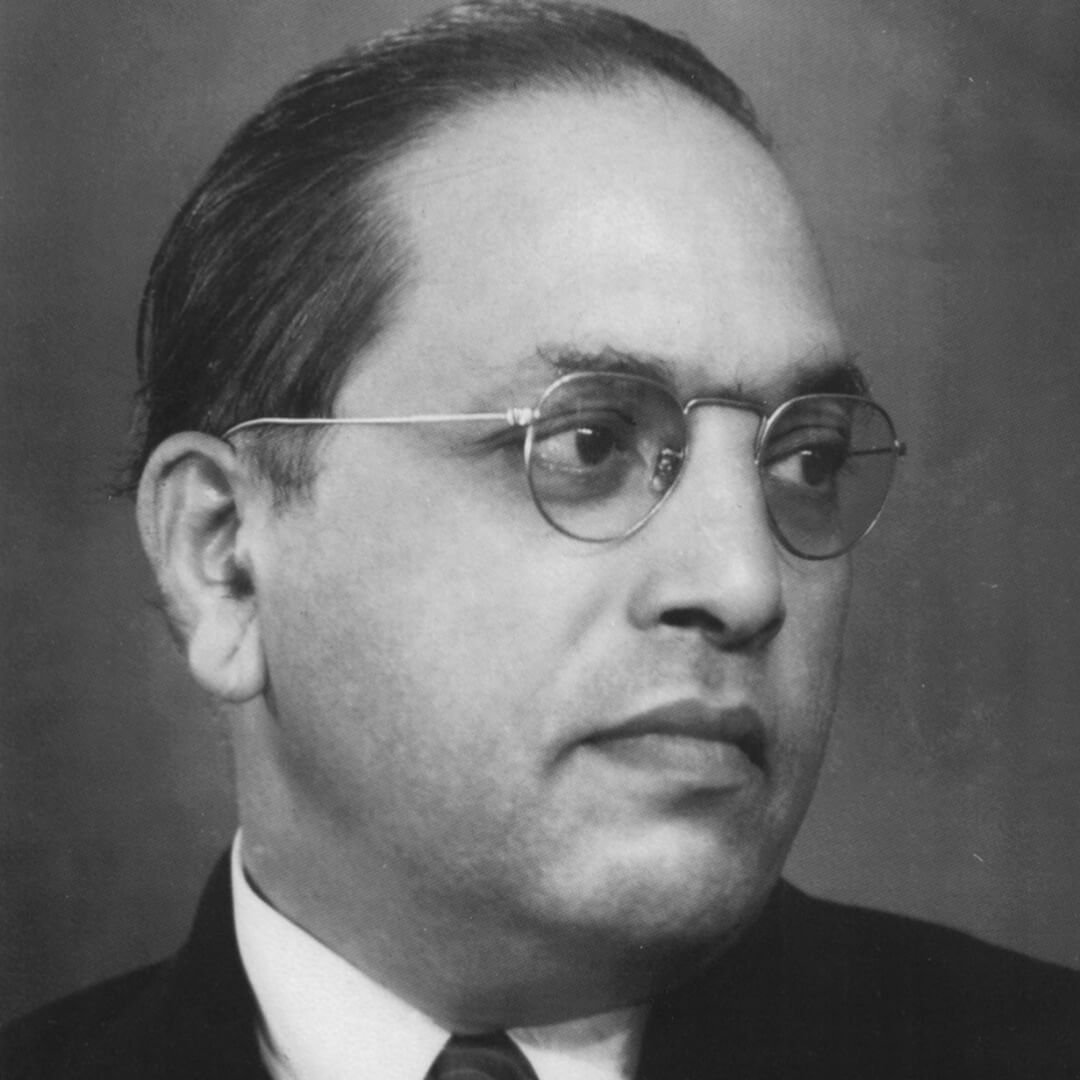
Born Bhim Rao Ambedkar on 14 April 1891, he emerged from the Dalit (“untouchable”) caste in India, faced discrimination, yet achieved outstanding academic credentials. He became a jurist, economist, social reformer and politician. His life story is one of breaking barriers. For example: his critique of caste—a system he called a “tower of Babel” of graded inequalities.
His role in the Constitution
Ambedkar served as Chair of the Drafting Committee of the Constituent Assembly of India. His contribution is widely acknowledged: He steered discussions on fundamental rights, equality, abolition of untouchability, and formalising the Indian constitutional framework.
- He founded the Bahishkrit Hitakarini Sabha in 1924 to uplift the “depressed classes”.
- He led the Mahad Satyagraha in 1927 demanding access to a public water-tank for Dalits.
- His book Riddles in Hinduism criticised the Hindu caste system and Brahmanical privilege.
Hence, when using the focus keyword “Ambedkar”, we are referring to a towering figure in Indian constitutional and social history.
3. The Indian Constitution: background and statistics
Making of the Constitution
The Constitution of India was adopted on 26 November 1949 and came into effect on 26 January 1950. This document is among the longest in the world, framed by the Constituent Assembly, led by Ambedkar for the drafting committee.
Noteworthy stats & infographics
- At its adoption, India became only the 23rd country to ratify a modern constitution.
- The Constitution spans hundreds of articles, schedules, and parts. The infographic “Making of the Constitution” shows the scale of the task — 11 sessions, 165 days of discussion, 299 members involved.
- One graph shows the number of amendments increasing over time — demonstrating the document’s “living” nature.
These facts underscore that while the document was immense and collaborative, the mythos around “Ambedkar alone authored the Constitution” becomes one axis of conspiratorial discussion.
Who “wrote” the Constitution?
One persistent conspiracy theme: despite Ambedkar’s role, some narratives claim others (e.g., civil servants, aides) wrote the Constitution. On Reddit one user writes:
“A disturbing narrative is gaining ground, attempting to strip Dr. B.R. Ambedkar of his rightful place as the chief architect…”
This touches on historical revisionism—whether Ambedkar’s role is downplayed for ideological reasons.
Appropriation of Ambedkar’s legacy
Another strand: political parties across the spectrum claim Ambedkar’s legacy for their own aims. For example, one article notes:
“The fact that Ambedkar revolted against hierarchical injustice … flies in the face of RSS’s ideological attempts to idolize ‘father of Indian constitution’.”
This becomes a conspiracy of “mis‐appropriation”—where the reformer’s original radical stance is diluted, reinterpreted or politically weaponised.
Reservation durations, intent & conspiracies
Ambedkar’s ideas on caste and reservations are often subject to reinterpretation. For instance, a meme on Reddit claims Ambedkar wanted reservations only for 10 years:
“Dr. B.R. Ambedkar wanted to have reservation just for 10 years…”
This creates a conspiracy narrative: the “original plan” was short-term, and its extension indefinitely is part of political manipulation.
Statues, desecrations and conspiracies
Statue desecrations of Ambedkar have triggered claims of conspiracies. A report states:
“B.R. Ambedkar statue desecrations a ‘deep‐rooted conspiracy’ …” in Punjab.
Another:
“Row over Buddha, Ambedkar idols … a political conspiracy.”
These incidents are claimed as symbolic assaults on Dalit identity and constitutional values.
Summary of this section
| Theme | Core Issue | Conspiratorial Angle |
|---|---|---|
| Authorship | Who “wrote” the Constitution? | Revisionism, erasing Ambedkar’s role |
| Legacy appropriation | Political parties using Ambedkar | Distortion of his radical critique |
| Reservations | Duration and intent of affirmative action | Hidden agenda to perpetuate vote banks |
| Desecration & symbolism | Attacks on statues & symbols | Conspiracy to destabilise Dalit identity and constitutional ethos |
5. Enter V. N. Rav – who is he and why is he linked with conspiracies?
In the course of researching conspiracies around the Constitution and Ambedkar, the name of V. N. Rav surfaces—though less prominently than Ambedkar. Here’s a brief on him and his role in the conspiratorial narrative.
Brief on V. N. Rav
Information on V. N. Rav is comparatively scarce in mainstream sources. He is often associated (in certain academic or fringe circles) with critiques of constitutional interpretation, alleged behind-the-scenes influence in policy, or as a figure involved in conspiracies tying caste-politics and constitutional change.
Allegations, theories & controversies
Some speculative conspiracies around V. N. Rav include:
- Alleged involvement in influencing amendments or interpretations of the Constitution away from Ambedkar’s original vision.
- Accusations of being part of networks that seek to weaken the constitutional safeguards for marginalised communities.
- Being used as a “proxy” figure—those unhappy with Ambedkar’s legacy may insert alternate narratives via figures like Rav.
Important caveat: Many of these ideas remain speculative and are not as well‐documented as mainstream historical facts. As such, any article discussing “conspiracies” around V. N. Rav should make clear the differentiations between established fact versus theory.
6. Linking Ambedkar, the Constitution and V.N. Rav: pattern of conspiracies
How do these threads tie together? Consider the following:
- The Constitution is a foundational national document. Ambedkar is central to its framing.
- Conspiracies arise when either the authorship, intent or legacy of the Constitution is contested or re-interpreted.
- Figures like V. N. Rav serve as catalysts (or scapegoats) in narratives that claim the constitutional promise is being undermined from within.
- Political appropriation, caste dynamics, struggle for representation—all provide fertile ground for conspiracy narratives that revolve around “what Ambedkar intended” versus “what is happening now”.
Why do such conspiracies persist?
- Symbolic power: Ambedkar stands for social justice, equality, constitutional morality. Challenging his legacy is politically charged.
- Complexity of history: The drafting of the Constitution included many actors; simplifying creates openings for “hidden force” theories.
- Marginalisation: For many Dalits and marginalised groups, perceived betrayal of Ambedkar’s promise breeds distrust and conspiracy thinking.
- Contemporary politics: Stats, reservations, caste calculations, statue politics—all feed into narratives of conspiratorial subversion of original goals.
- Social justice: If the constitutional promise of equality (championed by Ambedkar) is believed to be undermined via conspiracies, it affects trust in institutions.
- Legal interpretation: Conspiracy theories around authorship or intent may influence how laws and rights are interpreted.
- Political mobilisation: Ambedkar’s legacy is used in electoral politics; conspiracies reflect power-struggles over who “owns” Ambedkar.
- Historical record: Distorting or contesting the roles of figures like Ambedkar or documents like the Constitution risks mis-educating future generations.
In short, exploring conspiracies is not just about uncovering “who did what”. It’s about safeguarding democratic ideals, understanding how identity and power interplay, and ensuring the constitutional vision remains meaningful.
8. FAQs
Q1: Did Dr B.R. Ambedkar write the Indian Constitution all by himself?
A1: No. While Ambedkar chaired the Drafting Committee, the Constitution was debated, deliberated and adopted by a Constituent Assembly with multiple committees and hundreds of members. Conspiracy narratives claim his role was minimal or suppressed.
Q2: What is the “10-year reservation” myth often linked with Ambedkar?
A2: Some interpretations claim Ambedkar envisaged reservations for a fixed period (e.g., 10 years) until equality was achieved. However, historical evidence is ambiguous—this forms part of a conspiratorial claim about deviations from the “original plan”.
Q3: Who is V. N. Rav and why is he linked with the Constitution?
A3: V. N. Rav is a less-well-known figure who appears in some conspiracy narratives as someone influencing constitutional or caste-policy changes away from Ambedkar’s vision. His role is speculative and not mainstream.
Q4: Are statue desecrations of Ambedkar purely vandalism or part of a larger conspiracy?
A4: Some politicians and commentators describe them as “deep-rooted conspiracies” aimed at undermining Dalit symbolism and constitutional protests. For example: “B.R. Ambedkar statue desecrations a ‘deep-rooted conspiracy’”.
Q5: Why is Ambedkar’s legacy being “appropriated” by political parties?
A5: Ambedkar is a powerful symbol of social justice, equality and constitutional rights. Political parties claim his legacy to gain electoral or ideological legitimacy. Some scholars frame this as “mis-appropriation”, arguing that his radical critique is being softened.
9. links For Further reading
- Biography and works of Ambedkar: Barristery – Dr B.R. Ambedkar detailed biography
- Social philosophy of Ambedkar on caste: PolSci Institute – Ambedkar on Caste
- Conspiracies and external attacks on Ambedkar symbols: Times of India – Row over Buddha, Ambedkar idols … a political conspiracy
- Deep-rooted conspiracy claim re statue desecration: SATP – B.R. Ambedkar statue desecrations a ‘deep-rooted conspiracy’
Final Thoughts
The story of the Constitution of India, the role of Dr B.R. Ambedkar, and the lesser-known figure of V. N. Rav illustrates how history, power and identity intertwine. Whether one subscribes to the conspiracy narratives or treats them with caution, the fact remains: understanding these narratives helps us engage more critically with our constitutional heritage. In all of this, Ambedkar’s vision of social equality and constitutional morality remains a beacon—regardless of how many conspiracies swirl around it.
If you like, I can also prepare an infographic summarising these conspiracies, or a timeline of constitutional conspiracies in India for you. Would you like that?
About The Author




1 thought on “Conspiracies on Constitution, B. R. Ambedkar, and V. N. Rav”